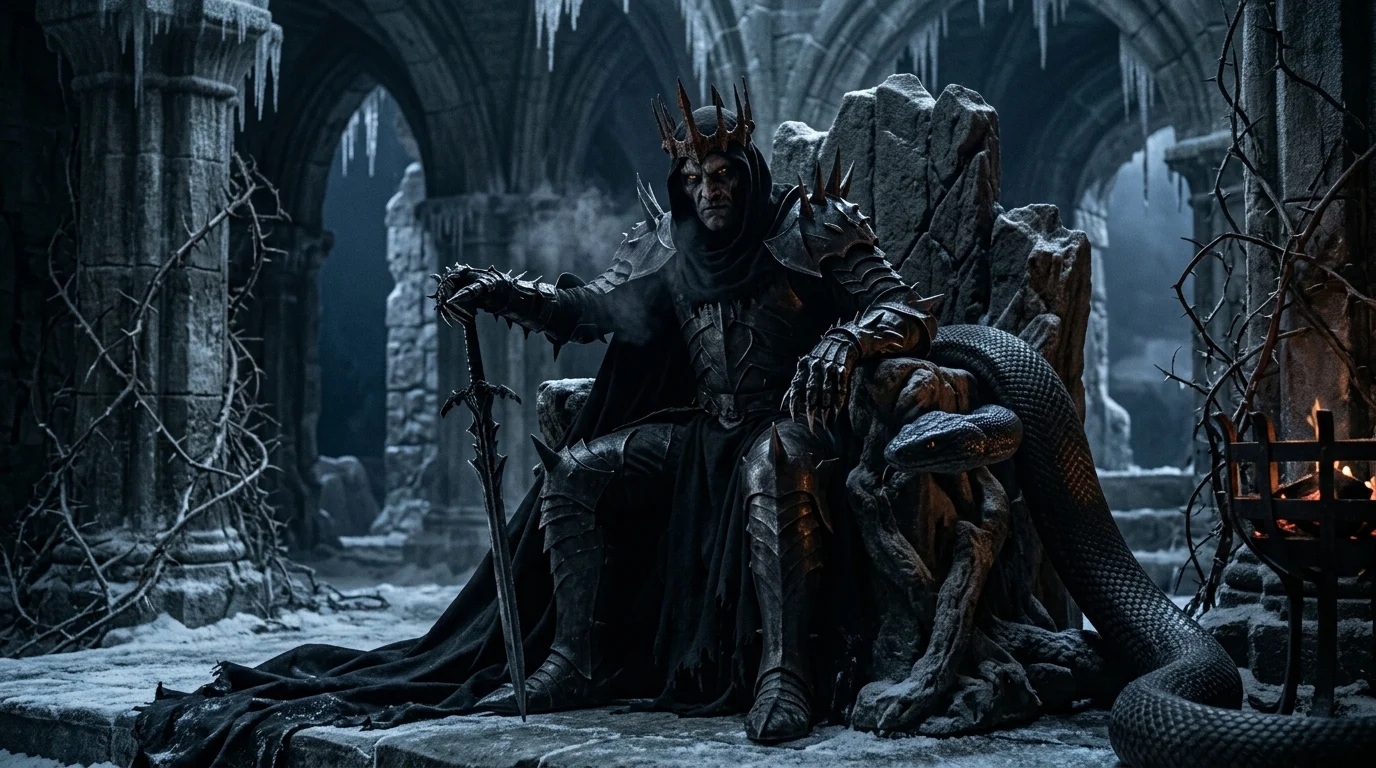
Evil can be frightening, cruel, secretive, and destructive. In creative writing, the right comparison can make an evil character seem more dangerous or help readers understand how wickedness, hatred, and corruption affect a story. Instead of simply calling someone evil, writers can use similes for evil to create vivid pictures in the reader’s mind.
For example, as cold as ice describes someone who shows no sympathy, while like a snake in the grass suggests a person who hides their harmful intentions. These comparisons make descriptions more interesting and help readers imagine a villain’s personality, appearance, voice, and actions.
Whether you are writing a horror story, dark fantasy, poem, school assignment, or fictional villain, similes can add suspense and emotional depth to your work. Some comparisons focus on cruelty, others reveal deception, and some describe how evil spreads through a community.
In this guide, you will discover 47 similes for evil with meanings and examples. You will also learn how to use these expressions naturally, explore related words, and practice creating your own powerful comparisons.
What Are Similes for Evil?
Similes for evil are figurative expressions that compare wickedness, cruel behavior, frightening characters, or harmful influences to something else using words such as like or as.
These comparisons help readers picture an idea instead of merely reading a direct description.
For example:
- As cold as ice: Describes a cruel or emotionless person.
- Like a snake in the grass: Suggests someone who hides their dishonest intentions.
- As dark as a moonless night: Creates an image of mystery, danger, or hopelessness.
- Like a storm ready to strike: Describes a threatening character who may act violently.
- Like poison spreading through water: Shows how harmful ideas or corruption can affect others.
Writers use evil similes to create suspense, reveal a character’s personality, and make dark scenes more memorable.
Similes for Evil With Meanings and Examples
As Cold as Ice
Meaning: Cruel, emotionless, and lacking compassion.
This familiar simile describes a person who seems unaffected by the suffering of others. It works especially well for heartless rulers, villains, and characters who make cruel decisions without regret.
Examples:
- The evil king was as cold as ice when the villagers begged him for mercy.
- Her expression remained as cold as ice while the frightened prisoner pleaded for help.
Like a Snake in the Grass
Meaning: Sneaky, dishonest, and dangerous.
A snake hidden in the grass is difficult to notice until it moves. This comparison describes someone who conceals their harmful intentions and may betray people who trust them.
Examples:
- The royal advisor acted like a snake in the grass, secretly plotting against the king.
- Everyone trusted Marcus, but he was like a snake in the grass when nobody was watching.
As Dark as a Moonless Night
Meaning: Mysterious, frightening, or morally corrupt.
This simile creates an image of complete darkness. It can describe an evil character’s personality, a disturbing atmosphere, or secrets that make a story feel threatening.
Examples:
- The villain’s heart seemed as dark as a moonless night.
- His intentions were as dark as a moonless night, hidden from everyone around him.
Like a Wolf Waiting for Its Prey
Meaning: Patient, threatening, and ready to attack.
This comparison presents a villain as someone who watches carefully and waits for the perfect moment to act. It is useful for suspenseful scenes involving danger or betrayal.
Examples:
- The hunter watched the travelers like a wolf waiting for its prey.
- The villain stood beside the doorway like a wolf waiting for its prey.
As Sharp as a Razor
Meaning: Clever, cutting, or capable of causing emotional pain.
This simile can describe a villain’s intelligence, cruel remarks, or ability to recognize another person’s weaknesses.
Examples:
- His insults were as sharp as a razor, leaving the entire room silent.
- The wicked queen had a mind as sharp as a razor and rarely missed an opportunity to manipulate others.
Like a Shadow Following You
Meaning: Secretive, threatening, and difficult to escape.
A shadow seems to follow someone wherever they go. This comparison helps create the feeling that a villain or frightening presence is always nearby.
Examples:
- The mysterious stranger followed the detective like a shadow following him.
- The memory of the cruel ruler stayed with the villagers like a shadow following them.
As Cruel as a Tyrant
Meaning: Extremely harsh, oppressive, and unfair.
This simile describes someone who abuses power and treats other people without kindness or respect. It is particularly suitable for evil rulers and authoritarian characters.
Examples:
- The king was as cruel as a tyrant, punishing anyone who questioned his orders.
- The commander ruled the fortress as cruel as a tyrant, leaving his soldiers afraid to speak.
Like Fire Consuming a Forest
Meaning: Destructive, spreading, and difficult to stop.
Fire can quickly destroy everything in its path. This comparison describes evil, hatred, greed, or violence that grows until it damages an entire community.
Examples:
- The villain’s greed spread like fire consuming a forest.
- Hatred swept through the kingdom like fire consuming a forest, destroying friendships and trust.
As Silent as a Grave
Meaning: Completely quiet, eerie, and unsettling.
This simile creates a disturbing atmosphere by comparing a character’s silence to the stillness of a grave. It works well in horror stories and scenes where danger feels close.
Examples:
- The masked villain stood as silent as a grave in the abandoned hall.
- The stranger entered the ruined house as silent as a grave, making no sound at all.
Like a Spider Weaving a Web
Meaning: Manipulative, patient, and calculating.
A spider carefully builds a web to trap its prey. Similarly, a manipulative character may create complicated plans to control people without revealing their real intentions.
Examples:
- The corrupt minister planned his betrayal like a spider weaving a web.
- She manipulated the rival families like a spider weaving a web, making each one depend on her.
As Hungry for Power as a Wolf
Meaning: Greedy, ambitious, and eager to control others.
This comparison highlights a character who constantly wants more authority and refuses to be satisfied with what they already have.
Examples:
- The ambitious prince was as hungry for power as a wolf searching for food.
- The ruler remained as hungry for power as a wolf, even after conquering neighboring lands.
Like a Storm Ready to Strike
Meaning: Angry, unpredictable, and threatening.
This simile suggests that a character’s anger is building and that something dangerous could happen at any moment.
Examples:
- The furious villain stood like a storm ready to strike.
- His voice grew louder until he seemed like a storm ready to strike anyone who challenged him.
As Heartless as Stone
Meaning: Unfeeling, merciless, and unwilling to show compassion.
Stone is hard and does not respond to pain. This comparison describes someone who ignores suffering or refuses to help people in need.
Examples:
- The cruel captain was as heartless as stone when the sailors begged for mercy.
- She appeared as heartless as stone while watching the town fall into chaos.
Like a Candle Burning at Both Ends
Meaning: Consumed by obsession, excess, or a self-destructive pursuit.
This expression is most useful for a villain whose desire for revenge or power gradually destroys their own life.
Examples:
- The obsessed sorcerer lived like a candle burning at both ends, sacrificing everything for revenge.
- The villain worked like a candle burning at both ends, growing weaker as his plans consumed him.
As Twisted as a Dead Tree
Meaning: Distorted, disturbing, or morally corrupt.
A dead tree with crooked branches creates an unsettling image. This simile can describe a villain’s distorted thinking, cruel behavior, or unnatural appearance.
Examples:
- His plans were as twisted as a dead tree in a haunted forest.
- The villain wore a smile as twisted as a dead tree beneath the pale moonlight.
Like a Leech Clinging to Its Victim
Meaning: Selfish, exploitative, and unwilling to let go.
This comparison describes someone who takes advantage of others for personal benefit and continues doing so even when it causes harm.
Examples:
- The dishonest businessman clung to his workers like a leech, taking advantage of their hard work.
- He used his friends like a leech clinging to its victim, demanding favors without giving anything back.
As Venomous as a Scorpion
Meaning: Spiteful, harmful, and ready to hurt others.
This simile compares a person’s cruel words or actions to a poisonous sting. It is especially effective when describing a villain who enjoys making others suffer emotionally.
Examples:
- Her insults were as venomous as a scorpion’s sting.
- The evil sorcerer spoke as venomously as a scorpion, turning every conversation into a threat.
Like a Puppet Master Pulling Strings
Meaning: Controlling, manipulative, and secretive.
A puppet master controls movements from behind the scenes. This comparison describes a villain who secretly influences people and events to achieve a hidden goal.
Examples:
- The mastermind controlled the entire scheme like a puppet master pulling strings.
- Nobody realized that the quiet advisor was manipulating the kingdom like a puppet master behind the throne.
As Relentless as a Rising Tide
Meaning: Persistent, powerful, and difficult to stop.
A rising tide continues moving forward. This simile describes a villain who refuses to abandon a harmful goal, even when faced with repeated obstacles.
Examples:
- The conqueror’s army advanced as relentlessly as a rising tide.
- His desire for revenge continued as relentlessly as a rising tide, despite every setback.
Like a Nightmare Come to Life
Meaning: Extremely frightening, disturbing, or terrifying.
This comparison makes a villain seem as though they have escaped from someone’s worst dream. It is ideal for horror and dark fantasy.
Examples:
- The masked figure appeared like a nightmare come to life at the end of the corridor.
- With his ragged cloak and lifeless stare, the stranger looked like a nightmare come to life.
Like Poison Spreading Through Water
Meaning: Slowly harmful and capable of affecting everything nearby.
This simile describes corruption, hatred, or dishonesty that gradually spreads through a group or community.
Examples:
- The governor’s corruption spread like poison through the kingdom’s water.
- Suspicion moved through the village like poison spreading through water, turning neighbors against one another.
Like a Hidden Dagger
Meaning: Deceptive, threatening, and ready to betray.
A hidden dagger is concealed until the moment it can cause harm. This comparison describes false kindness or a friendly appearance that hides dangerous intentions.
Examples:
- His polite smile concealed betrayal like a hidden dagger.
- The promise sounded comforting, but it carried danger like a dagger hidden beneath a cloak.
Like a Cold Wind Through an Empty Hall
Meaning: Unsettling, lonely, and emotionally chilling.
This simile creates a sense of discomfort without describing direct violence. It works well when a villain’s presence makes an otherwise ordinary place feel frightening.
Examples:
- The stranger’s whisper moved through the castle like a cold wind through an empty hall.
- His presence chilled the room like a cold wind through an empty hall.
Like Fog Creeping Across a Graveyard
Meaning: Slow, secretive, and frightening.
Fog gradually covers the ground and makes familiar surroundings difficult to see. This comparison is useful for describing evil that appears quietly and creates suspense.
Examples:
- Fear spread through the village like fog creeping across a graveyard.
- The villain’s influence entered the town like fog creeping across a graveyard, unnoticed at first.
As Unforgiving as a Winter Storm
Meaning: Harsh, merciless, and destructive.
A winter storm can be relentless and difficult to escape. This simile describes a villain who refuses to show mercy or reconsider cruel decisions.
Examples:
- The ruler was as unforgiving as a winter storm when his enemies asked for peace.
- Her revenge came as relentlessly as a winter storm, leaving the family with no chance to recover.
Like a Black Cloud Blocking the Sun
Meaning: Oppressive, threatening, and capable of destroying hope.
This comparison suggests that a villain’s presence darkens the mood and makes people feel that happiness or safety is disappearing.
Examples:
- The tyrant’s arrival hung over the city like a black cloud blocking the sun.
- His threats overshadowed every celebration like a black cloud blocking the sun.
Like a Thorn Hidden in a Rose
Meaning: Attractive on the surface but dangerous underneath.
A rose may look beautiful while hiding sharp thorns. This simile describes a charming character whose real intentions are harmful.
Examples:
- The charming stranger was like a thorn hidden in a rose, concealing danger beneath his manners.
- Her generous offer seemed innocent, but it was like a thorn hidden in a rose.
As Restless as a Caged Beast
Meaning: Aggressive, frustrated, and ready to lash out.
This comparison portrays a character whose anger is difficult to contain. It can create tension before a confrontation or reveal a villain’s growing impatience.
Examples:
- The prisoner paced as restlessly as a caged beast, planning his escape.
- The villain waited as restlessly as a caged beast, furious that his plan had failed.
Like a Fire Smoldering Beneath Ashes
Meaning: Hidden anger, hatred, or evil that has not disappeared.
A fire can remain alive beneath ashes even when its flames are no longer visible. This simile describes resentment or wicked intentions that may return when the opportunity arises.
Examples:
- His hatred remained like a fire smoldering beneath ashes.
- Peace returned to the kingdom, but the traitor’s ambition lingered like a fire beneath cold ashes.
Like Cracks Spreading Across Glass
Meaning: Gradual damage that weakens something once strong.
This comparison describes how dishonesty or corruption can slowly destroy trust, relationships, or an entire organization.
Examples:
- The ruler’s lies spread like cracks across glass, destroying the people’s trust.
- Suspicion grew like cracks spreading across glass until the friendship could no longer be repaired.
As Quiet as a Whisper in the Dark
Meaning: Secretive, subtle, and difficult to detect.
This simile describes a villain who hides their movements or influences events without attracting attention.
Examples:
- The spy slipped into the palace as quietly as a whisper in the dark.
- His dangerous plan developed as quietly as a whisper in the dark, escaping everyone’s notice.
Like a Vulture Circling Its Prey
Meaning: Predatory, opportunistic, and waiting for weakness.
This comparison suggests that a character watches others for a chance to benefit from their misfortune.
Examples:
- The greedy merchant hovered over the struggling family like a vulture circling its prey.
- The enemy waited like a vulture circling its prey for the kingdom to weaken.
Like Ink Spreading Across White Paper
Meaning: A harmful influence that gradually stains or changes something innocent.
This simile creates a visual image of corruption spreading through a previously clean or peaceful situation.
Examples:
- The minister’s dishonesty spread like ink across white paper, staining the government’s reputation.
- Fear darkened the children’s happy memories like ink spreading across a page.
As Bitter as Wormwood
Meaning: Deeply unpleasant, harsh, or filled with resentment.
Wormwood is associated with bitterness. This comparison can describe a villain’s attitude, cruel words, or the emotional atmosphere they create.
Examples:
- His response was as bitter as wormwood, revealing years of resentment.
- The queen’s judgment sounded as bitter as wormwood when she condemned her former friend.
Like a Broken Clock Striking at Midnight
Meaning: Disturbing, unnatural, or unsettling.
This unusual comparison creates an eerie image that can suit a mysterious villain or a strange moment in a horror story.
Examples:
- The mechanical figure moved like a broken clock striking at midnight.
- Its voice echoed through the corridor like a broken clock chiming at midnight.
Like Roots Choking a Healthy Tree
Meaning: A hidden influence that slowly damages something from within.
This simile can describe corruption, jealousy, or manipulation that gradually weakens a family, friendship, or society.
Examples:
- Greed spread through the council like roots choking a healthy tree.
- The advisor’s lies weakened the royal family like roots strangling a tree from within.
Like a Wolf in Sheep’s Clothing
Meaning: Dangerous or dishonest while pretending to be harmless.
This well-known expression describes someone who hides harmful intentions behind a friendly or innocent appearance.
Examples:
- The false healer was like a wolf in sheep’s clothing, gaining trust before stealing from the villagers.
- The charming politician seemed generous, but his rivals called him a wolf in sheep’s clothing.
As Unnatural as a Smile on a Mask
Meaning: False, eerie, or lacking genuine emotion.
This comparison describes a character whose friendly expression seems artificial or disturbing.
Examples:
- The stranger’s grin looked as unnatural as a smile on a mask.
- He welcomed the frightened visitors with a smile as unnatural as a painted face.
Like a Bell Tolling in an Empty Church
Meaning: Ominous, haunting, and associated with approaching danger.
The sound of a bell in an empty church can create a lonely and foreboding atmosphere. This simile is useful for building suspense before a frightening event.
Examples:
- The villain’s laughter echoed like a bell tolling in an empty church.
- His warning rang through the castle like a lonely bell in an abandoned church.
Like Ice Forming Over a Still Lake
Meaning: A gradual loss of warmth, trust, or compassion.
This comparison describes a character whose emotions become colder over time or a relationship slowly damaged by cruelty.
Examples:
- Her compassion disappeared like ice forming over a still lake.
- The king’s heart hardened like a lake freezing beneath the winter sky.
Like a Chain Dragging Across Stone
Meaning: Heavy, threatening, and difficult to ignore.
This simile uses a harsh sound to create a sense of dread. It can describe a villain’s approach, a frightening noise, or the emotional weight of a threat.
Examples:
- The guard heard footsteps like a chain dragging across stone.
- The creature approached like iron chains scraping along a dungeon floor.
As Relentless as a Shadow at Sunset
Meaning: Persistent and seemingly impossible to escape.
A shadow lengthens as the sun sets. This comparison suggests that a threat is gradually growing or following someone wherever they go.
Examples:
- The detective’s fear remained as relentless as a shadow at sunset.
- The villain pursued his rival as persistently as a shadow stretching across the road.
Like a Match Dropped Into Dry Leaves
Meaning: A small harmful act that quickly causes a much larger problem.
This simile is useful for describing a rumor, insult, or act of betrayal that triggers widespread conflict.
Examples:
- One cruel accusation spread like a match dropped into dry leaves.
- The traitor’s secret message ignited a rebellion like a match tossed into a pile of dry leaves.
Like a Mirror Reflecting a Distorted Face
Meaning: Disturbing, deceptive, or revealing a corrupted identity.
This comparison suggests that a character’s outward appearance does not show the truth or that their actions have distorted how others see them.
Examples:
- His public image was like a mirror reflecting a distorted face.
- The portrait made the ruler look like a reflection warped by broken glass.
Like Darkness Swallowing the Last Candle
Meaning: Overwhelming, hopeless, and capable of extinguishing hope.
This simile creates an image of darkness taking over the final source of light. It works well when evil seems to defeat courage or goodness.
Examples:
- The tyrant’s cruelty spread like darkness swallowing the last candle.
- Hope faded from the village like a candle disappearing into darkness.
Like a Poisoned Rose Blooming in Spring
Meaning: Beautiful or promising on the outside but harmful underneath.
This comparison is suitable for a villain who appears charming, generous, or trustworthy while secretly planning to cause harm.
Examples:
- The prince’s promise was like a poisoned rose blooming in spring.
- Her kindness seemed like a poisoned flower, lovely to admire but dangerous to trust.
Like Thunder Rolling Across a Black Sky
Meaning: Powerful, threatening, and filled with approaching danger.
This simile describes a villain’s voice, anger, or growing influence. It creates a dramatic sound image that fits tense scenes.
Examples:
- The evil ruler’s laughter rolled through the hall like thunder across a black sky.
- His anger grew like thunder rumbling before a violent storm.
Like a Door Closing on the Light
Meaning: The sudden loss of hope, safety, or freedom.
This comparison can describe the effect of an evil character’s decisions on someone who once felt secure.
Examples:
- The king’s cruel decree felt like a door closing on the light.
- When the prisoners heard the verdict, their hopes vanished like light behind a closing door.
Like a Web Tightening Around Its Prey
Meaning: Increasingly controlling, manipulative, and difficult to escape.
This simile describes a villain who gradually traps another person through lies, threats, or carefully arranged plans.
Examples:
- The advisor’s scheme tightened like a web around its prey.
- Every promise drew the prince deeper into the conspiracy like a web closing around a trapped insect.
Quick Comparison of Similes for Evil
| Simile | Meaning | Best Use |
|---|---|---|
| As cold as ice | Cruel and emotionless | A heartless villain |
| Like a snake in the grass | Sneaky and dishonest | A traitor |
| As dark as a moonless night | Frightening and mysterious | Horror or fantasy |
| Like a wolf waiting for its prey | Patient and threatening | A predator |
| Like a spider weaving a web | Manipulative and calculating | A mastermind |
| As heartless as stone | Unfeeling and merciless | A cruel ruler |
| Like a nightmare come to life | Terrifying | A horror villain |
| Like a puppet master pulling strings | Secretly controlling others | A hidden enemy |
| Like a wolf in sheep’s clothing | Pretending to be harmless | A deceptive character |
| Like darkness swallowing the last candle | Destroying hope | A tragic or dark scene |
Other Words for Evil
Using varied vocabulary alongside similes for evil can make your descriptions more precise and less repetitive.
Words That Describe an Evil Personality
- Cruel: Enjoying or showing little concern for suffering.
- Heartless: Showing little kindness or compassion.
- Ruthless: Willing to do harmful things to achieve a goal.
- Malicious: Intending to hurt or damage someone.
- Sinister: Suggesting something evil or threatening.
- Deceitful: Hiding the truth or tricking others.
- Manipulative: Controlling people for personal benefit.
- Vicious: Deliberately cruel, violent, or aggressive.
- Corrupt: Dishonest or morally compromised.
- Tyrannical: Using power in a cruel or oppressive way.
- Vindictive: Wanting to punish someone for a perceived wrong.
- Menacing: Creating a strong impression of danger.
- Spiteful: Acting out of bitterness or a desire to hurt.
- Merciless: Showing no mercy or forgiveness.
- Treacherous: Untrustworthy and likely to betray others.
Words That Describe an Evil Character’s Appearance
- Shadowy: Dark, unclear, or mysterious.
- Eerie: Strange and unsettling.
- Grim: Serious, dark, or frightening.
- Foreboding: Suggesting that something bad may happen.
- Hollow-eyed: Having eyes that look sunken or deeply shadowed.
- Menacing: Appearing threatening.
- Ghastly: Extremely frightening or unpleasant.
- Pallid: Unusually pale.
- Sinister-looking: Giving the impression of danger or evil.
- Spectral: Resembling a ghost or spirit.
Writing tip: Combine a precise adjective with a suitable simile. For example, “The sinister stranger stood as silent as a grave.” This creates a clearer image than simply saying the stranger was scary.
How to Use Similes for Evil in Creative Writing
The strongest simile depends on what you want readers to feel. A comparison that works for a cruel ruler may not be suitable for a secretive spy.
- To create fear: Describe a frightening figure as like a nightmare come to life.
- To show cruelty: Say the villain is as cold as ice.
- To suggest betrayal: Compare the character to a snake in the grass.
- To reveal manipulation: Describe the villain as like a puppet master pulling strings.
- To build suspense: Make the character stand as silent as a grave.
- To show greed: Describe the villain as hungry for power as a wolf.
- To show hidden anger: Compare resentment to a fire smoldering beneath ashes.
- To describe spreading corruption: Use like poison spreading through water.
- To suggest approaching danger: Compare the villain’s anger to a storm ready to strike.
- To show fading hope: Describe the scene as like darkness swallowing the last candle.
Avoid placing too many similes in one sentence. Choose one strong comparison and let the character’s actions, dialogue, and surroundings support it.
How to Create Your Own Similes for Evil
Creating original similes in writing is easier when you start with a specific character trait.
- Choose a trait: Is your character cruel, greedy, dishonest, frightening, or manipulative?
- Select a related image: Ice suggests coldness, a web suggests manipulation, and a storm suggests danger.
- Connect the ideas: Use like or as to compare the character with your chosen image.
- Write a natural sentence: Make sure the comparison fits the scene rather than sounding forced.
- Check the effect: Ask whether the simile creates the feeling you want readers to experience.
For example, if your villain secretly controls a town, you might write:
The mayor tightened his grip on the village like a web closing around a trapped moth.
This comparison suggests control and danger without explaining every detail. That is the power of a well-chosen simile.
Practice Exercise: Test Your Knowledge
Try these questions to check your understanding of similes for evil.
- Question: The villain’s heart was as cold as ______.
- Question: The traitor moved like a snake in the ______.
- Question: Which word can help form a simile: because, like, or although?
- Question: What does “like a puppet master pulling strings” mean?
- Question: Complete the phrase: “Like a nightmare come to ______.”
- Question: Which simile best describes a dishonest person who pretends to be kind?
- Question: What does “like a fire smoldering beneath ashes” suggest?
- Question: Is “The villain was cruel” a simile? Why or why not?
- Question: Write a simile for a villain who is patient and threatening.
- Question: Complete the sentence: “His anger rose like a storm ready to ______.”
Practice Exercise Answers
- Answer: Ice. “As cold as ice” describes someone who seems cruel or emotionless.
- Answer: Grass. “Like a snake in the grass” suggests hidden intentions and possible betrayal.
- Answer: Like. It can connect two things in a simile.
- Answer: It means the character secretly controls other people or events.
- Answer: Life. The phrase compares someone frightening to a terrible dream that has become real.
- Answer: “Like a wolf in sheep’s clothing.” It describes someone who appears harmless but hides dangerous intentions.
- Answer: Hidden anger, hatred, or evil that remains present even when it is not obvious.
- Answer: No. It describes the villain directly without comparing the character to something else.
- Answer: Example: “The villain watched the doorway like a wolf waiting for its prey.” Other original answers are also correct.
- Answer: Strike. “Like a storm ready to strike” suggests approaching danger.
Frequently Asked Questions
What are some good similes for evil?
Some useful similes for evil include as cold as ice, like a snake in the grass, as dark as a moonless night, like a wolf waiting for its prey, and like a nightmare come to life. Each creates a different impression, from cruelty and deception to fear and mystery.
What is a simile for an evil person?
“He was like a snake in the grass” is a good example. It suggests that the person hides their true intentions and may betray others when they least expect it.
What is a simile for a heartless person?
“She was as cold as ice” is a common simile for a heartless person. It suggests that she shows little sympathy, kindness, or concern for other people’s feelings.
What is a simile for a scary villain?
“The masked figure looked like a nightmare come to life” is an effective simile for a frightening villain. It creates a vivid image that works especially well in horror and dark fantasy stories.
How do you describe evil in creative writing?
Use specific adjectives, meaningful actions, and vivid comparisons. Words such as sinister, ruthless, and manipulative can describe a character directly, while similes such as like a wolf in sheep’s clothing make the description more memorable.
What is the difference between a simile and a metaphor?
A simile compares two things using words such as like or as. A metaphor describes one thing as another without using those comparison words.
For example:
- Simile: The villain moved like a shadow.
- Metaphor: The villain was a shadow in the kingdom.
Both devices create imagery, but they express the comparison differently.
Why do writers use similes to describe evil characters?
Writers use similes to create suspense, show personality, and help readers imagine a character’s behavior or appearance. A strong comparison can communicate cruelty, danger, or mystery in just a few words.
How can I write original similes for evil?
Start with one trait, such as greed, cruelty, dishonesty, or anger. Choose an image that matches the trait, then connect the two ideas with like or as. For example, “His greed spread like roots beneath a crumbling house.”
Final Thoughts
Similes for evil help writers turn ordinary descriptions into vivid images that readers can remember. Comparing a villain to ice, a hidden snake, a spreading fire, or a dark storm can reveal cruelty, deception, danger, and ambition without relying on lengthy explanations.
The best similes in creative writing match the character and the scene. A heartless ruler may be as cold as ice, while a secretive mastermind may act like a spider weaving a web. A frightening figure might seem like a nightmare come to life, while hidden resentment may burn like a fire smoldering beneath ashes.
When choosing a simile, think about the emotion you want to create. Use comparisons naturally, avoid repeating the same image too often, and let your characters’ actions bring the description to life. With practice, you can write more powerful villains, build suspense, and make your stories more engaging.

I am Beau Thomas, the Administrator at SimilyHub. I enjoy making similes, metaphors, and idioms easy to understand through clear explanations, helpful examples, and engaging content for English learners and writers.